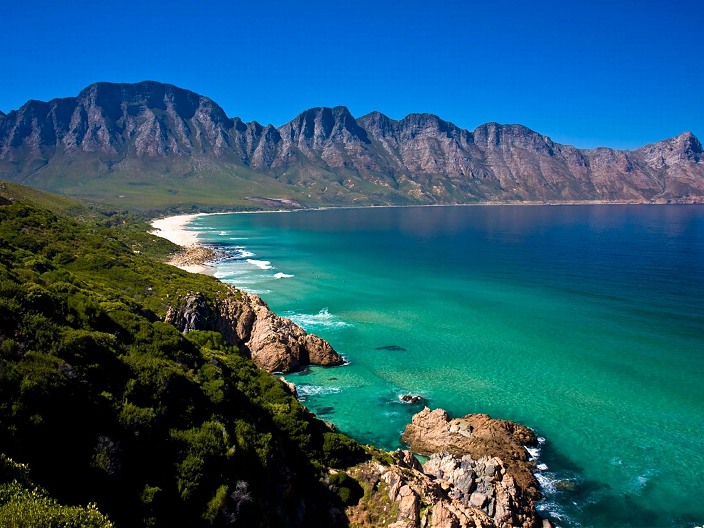
• Rooi Els on the False Bay Coast.
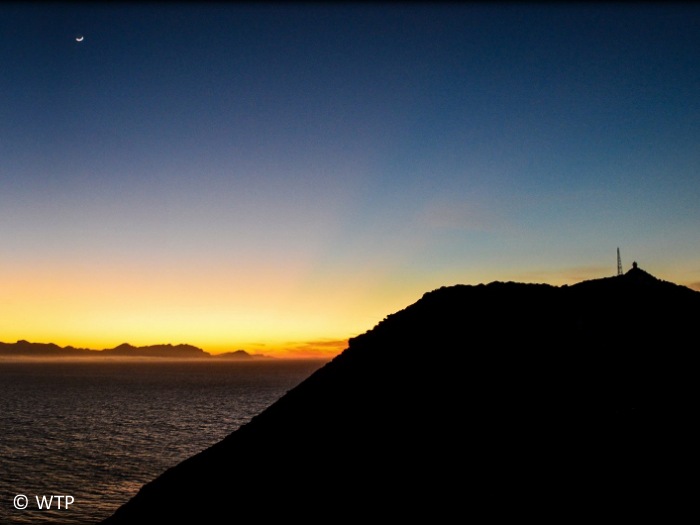
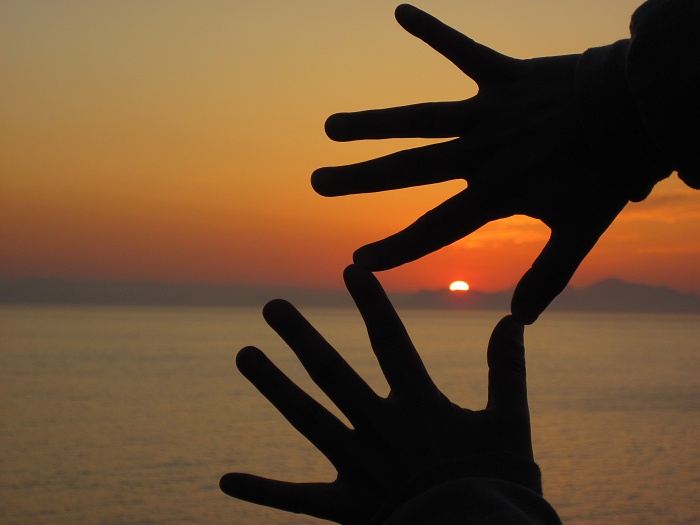
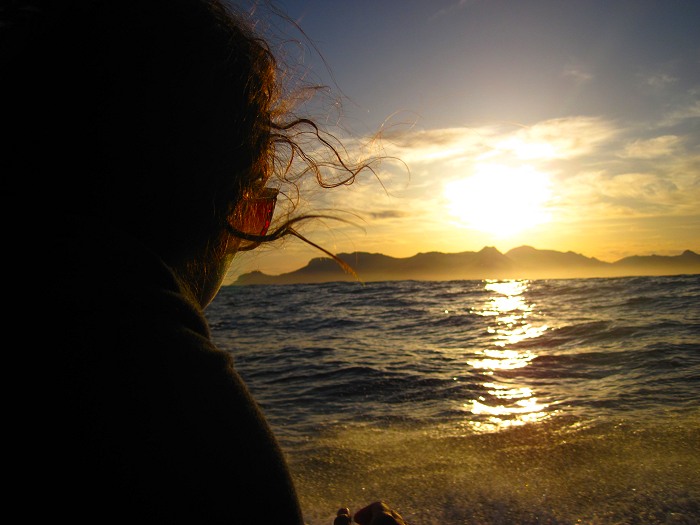
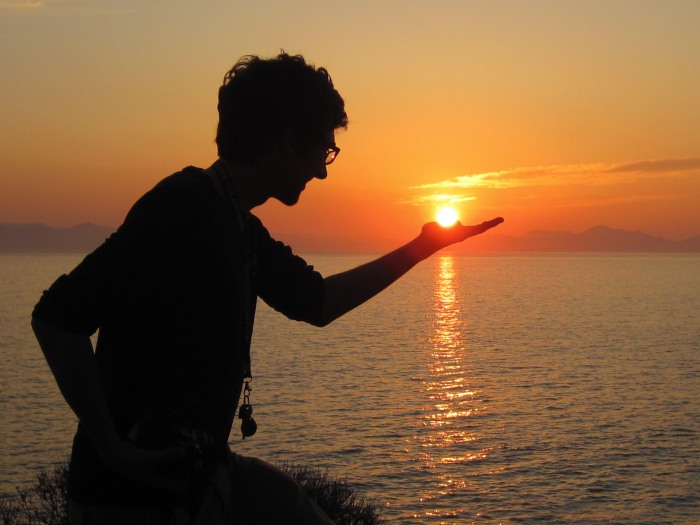
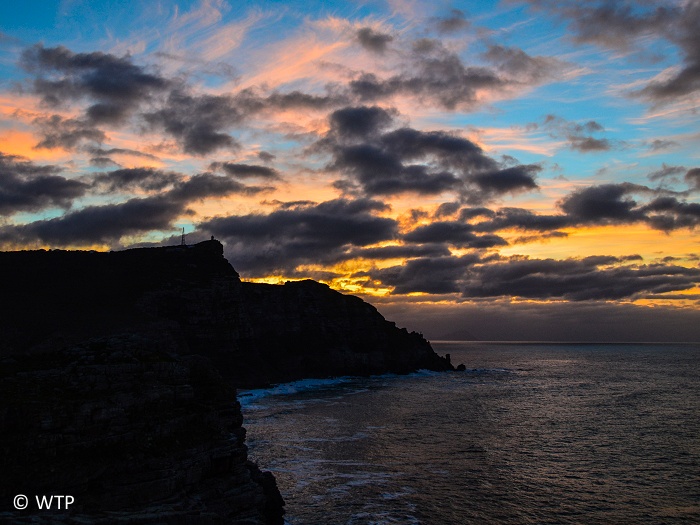
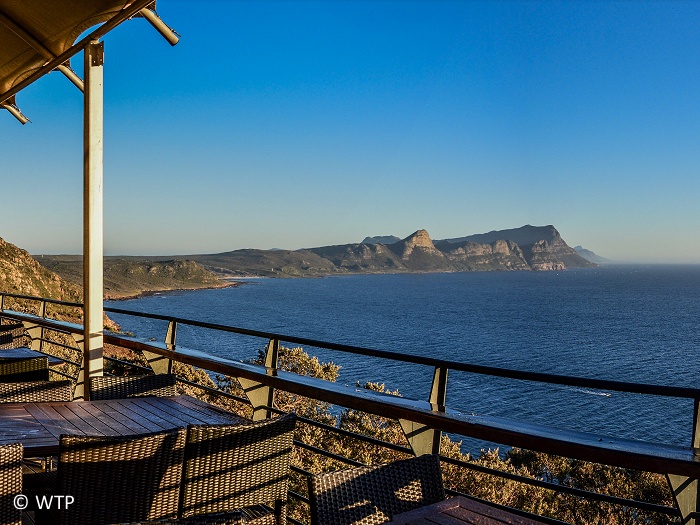
  • Beautiful sunset at Cape Point.
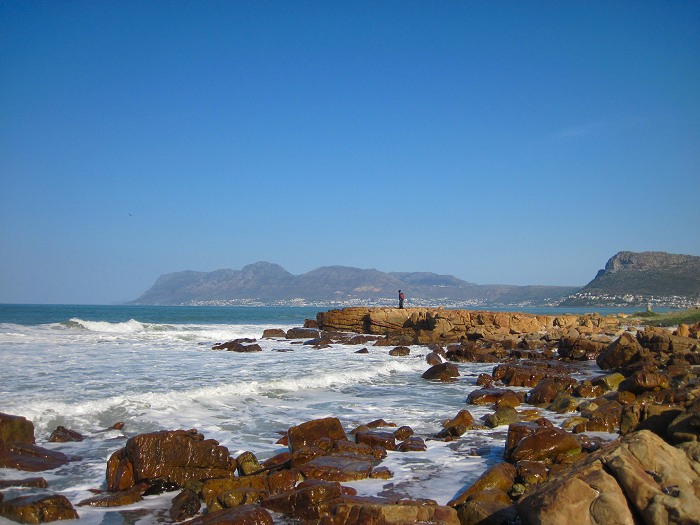
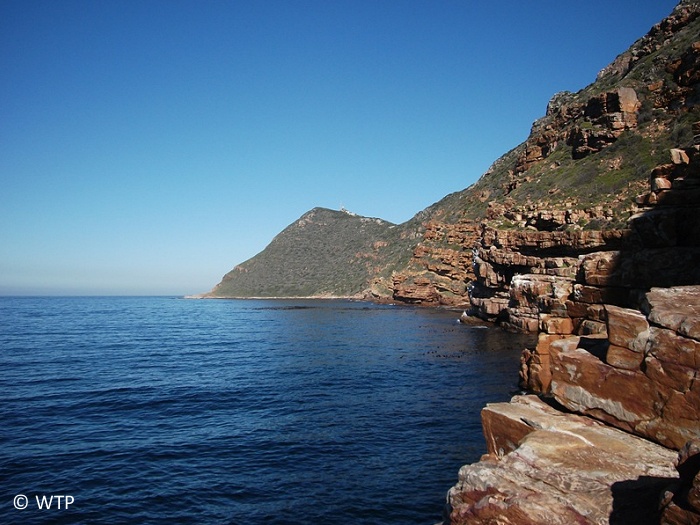
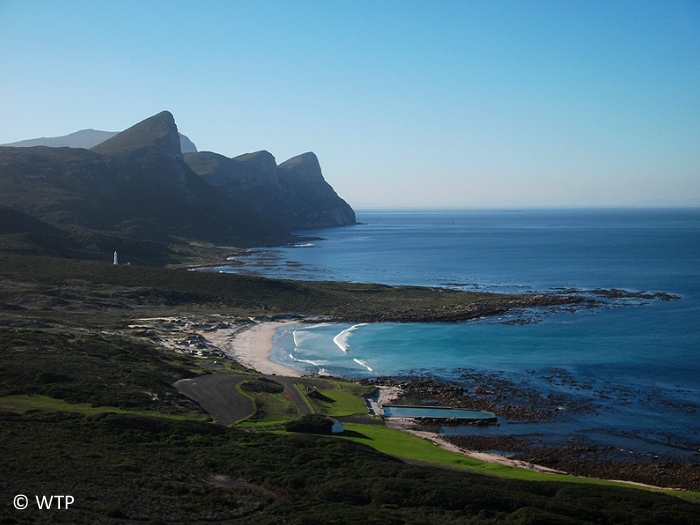
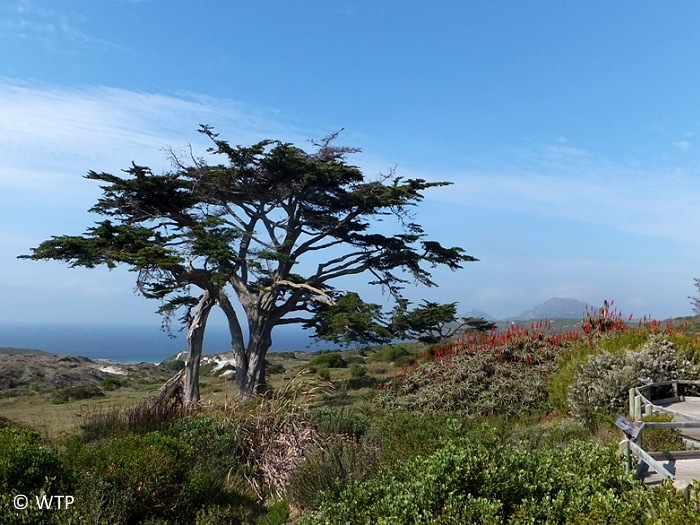
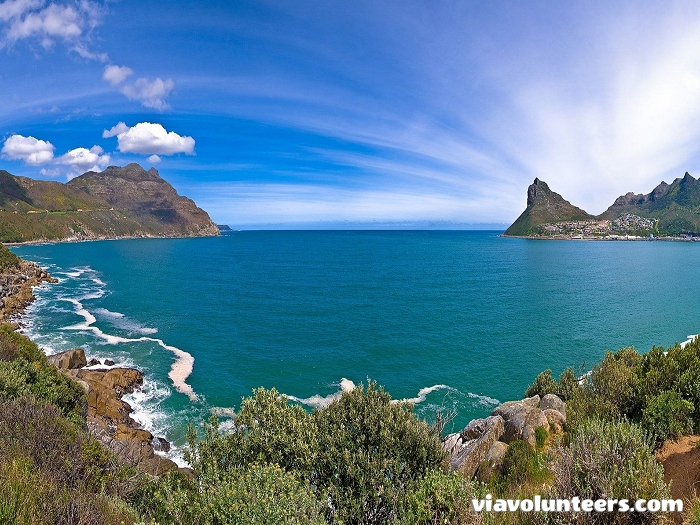
  • Beautiful mountain and sea views around the False Bay coast.
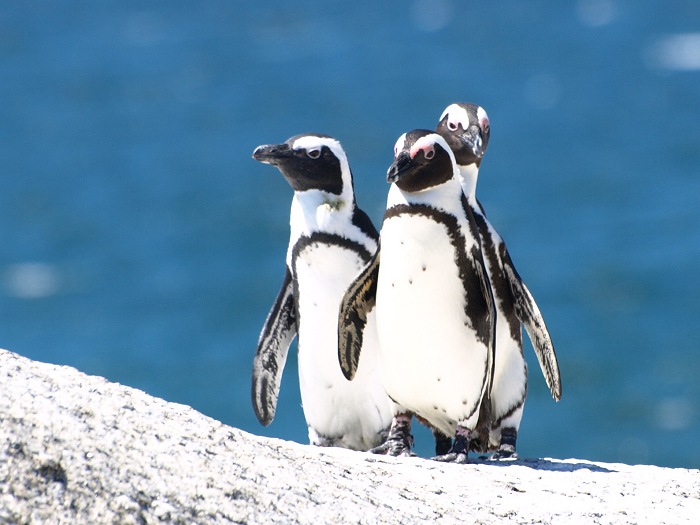
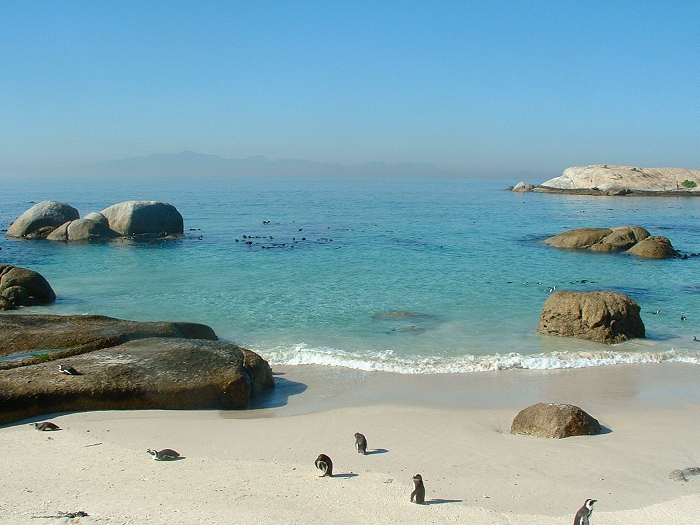
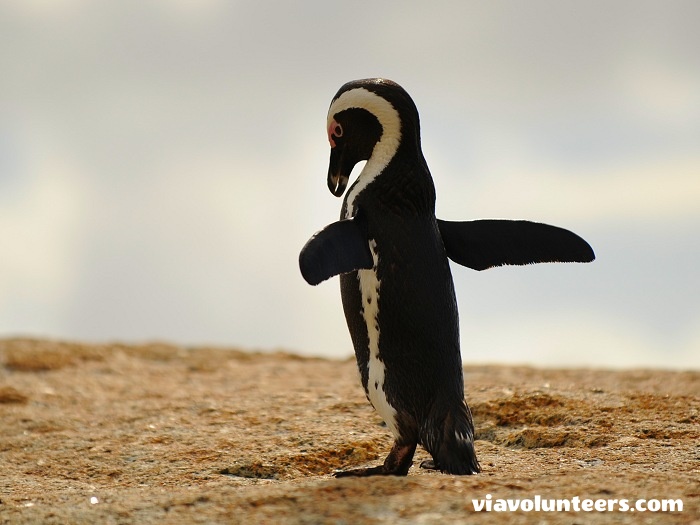
  • Penguins at Boulders Beach, Simon's Town.
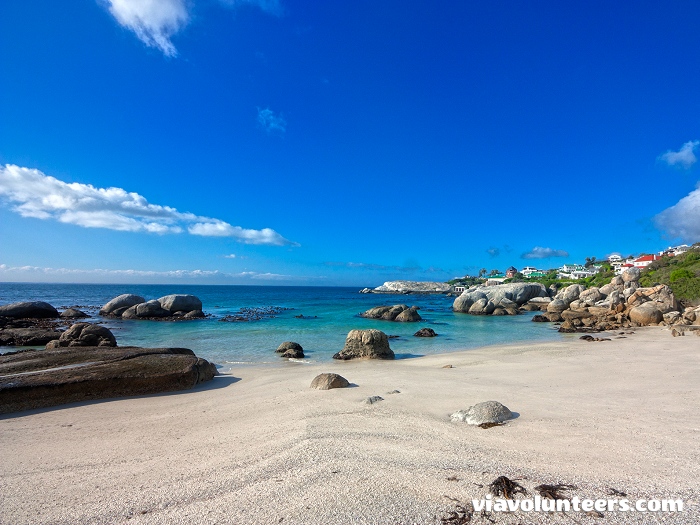
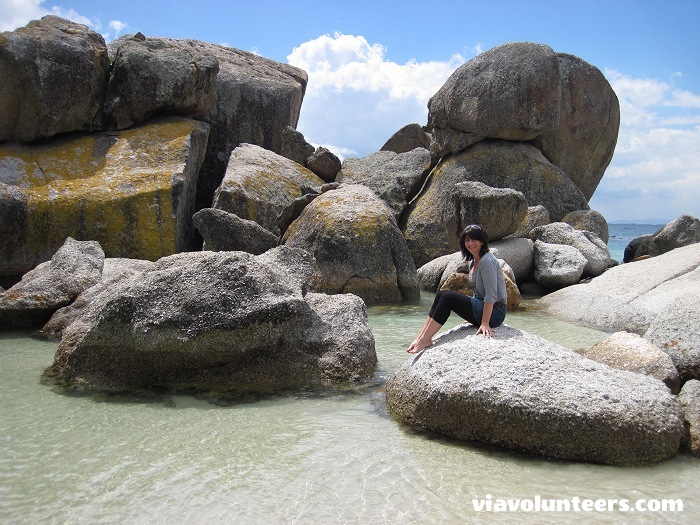
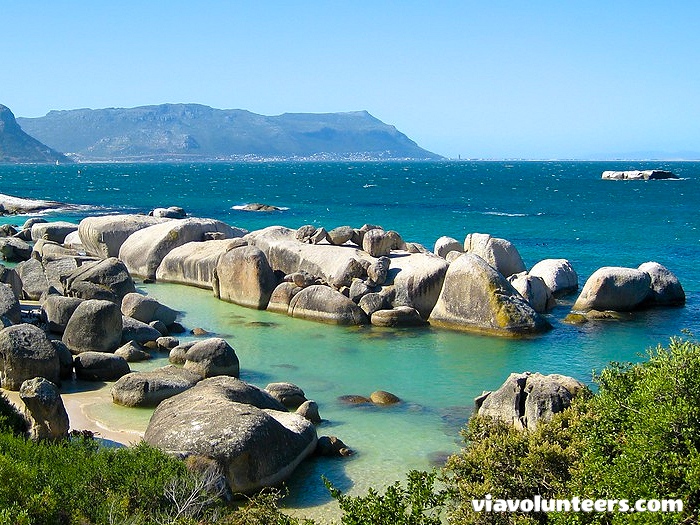
  • Boulders beach is  made up of inlets between granite boulders and is home to many penguins.
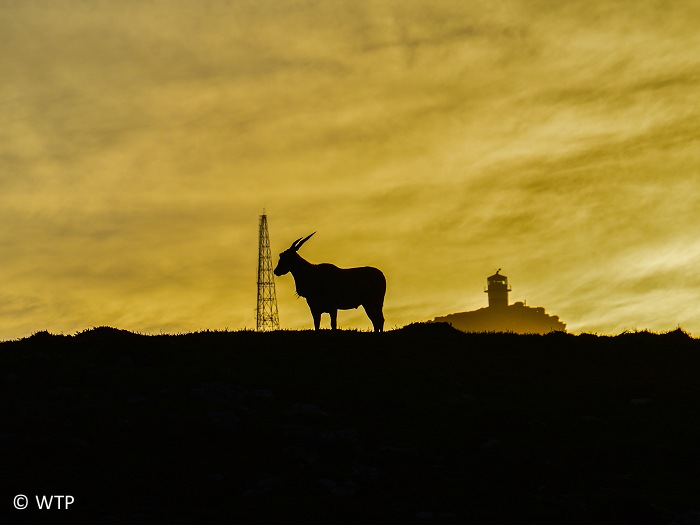
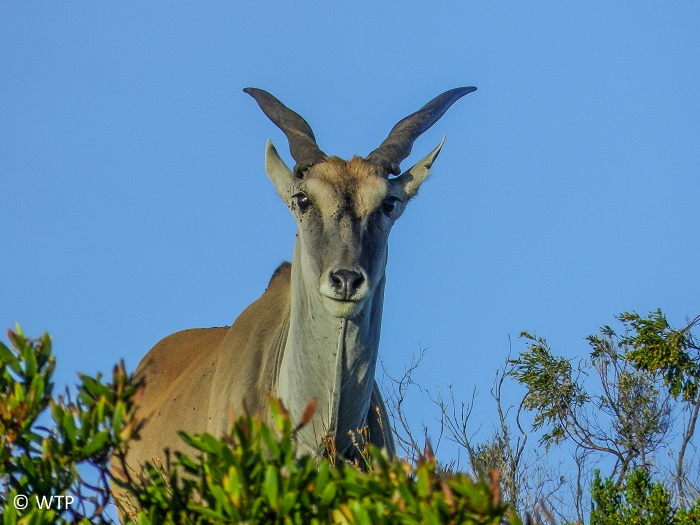
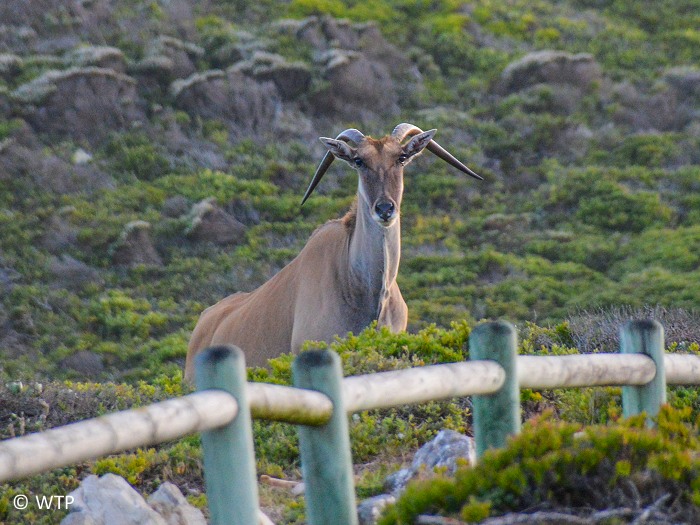
  • The eland is the second largest antelope in the world.
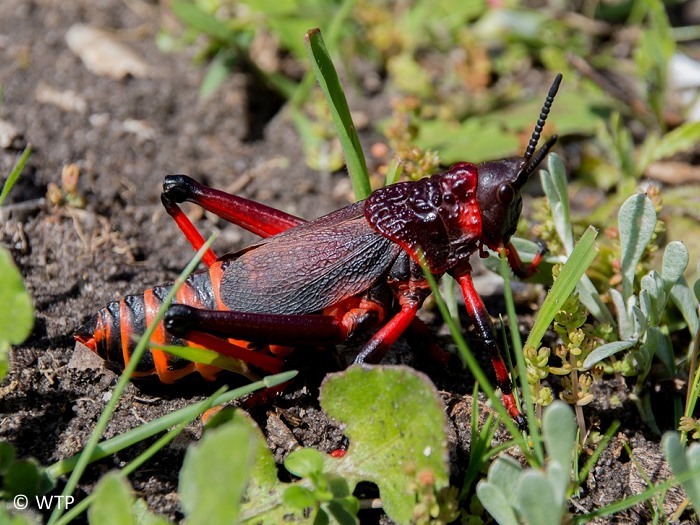
  • The koppie foam grasshopper can exude a toxic foam from it's thoracic joints when threatened.
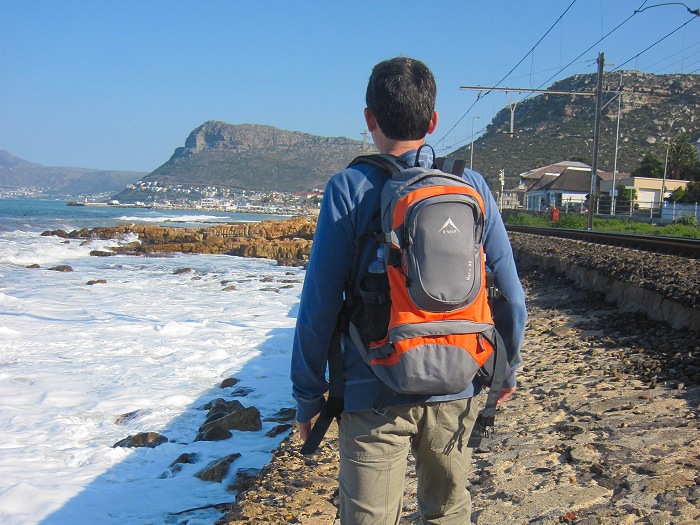
  • Ed, enjoying the beautiful walk from Muizenberg to Kalk Bay.
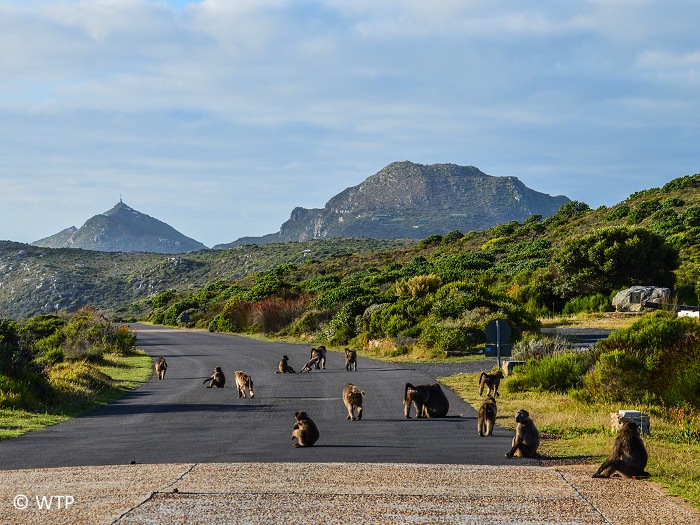
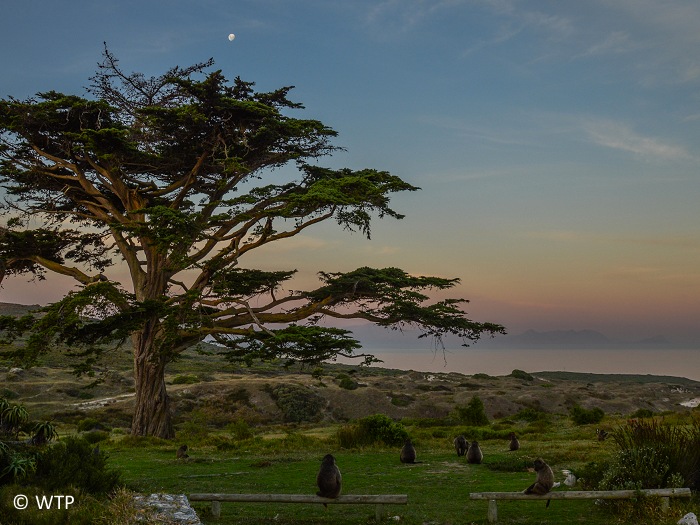
  • Baboons inside the Cape of Good Hope section of the park are a major tourist attraction. There are 11 troops consisting of about 375 individuals throughout the entire Cape Peninsula.
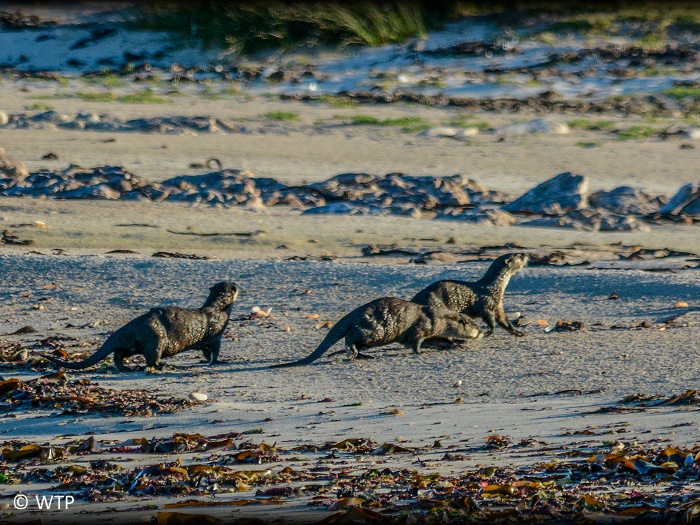
  • The Cape clawless otters is the second-largest freshwater species of otter.
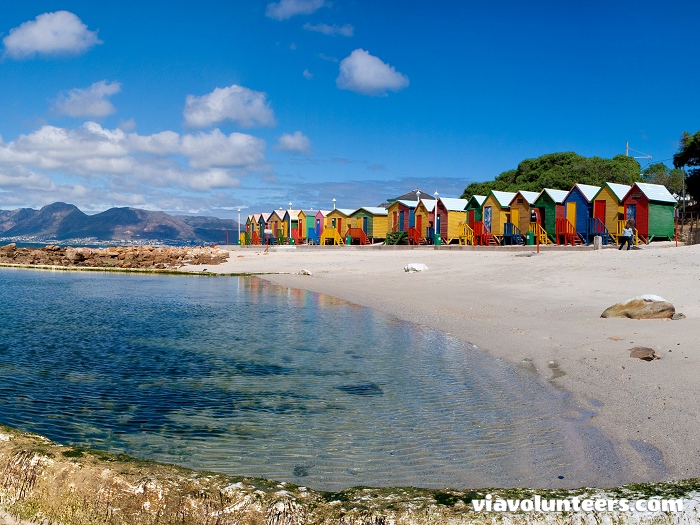
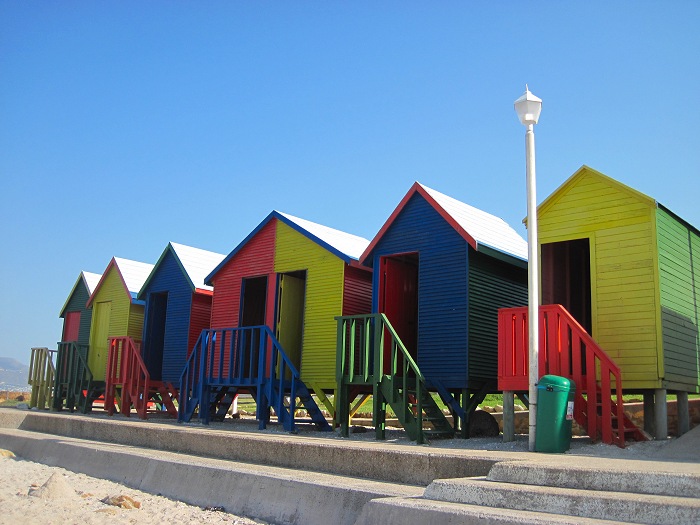
  • The colourful beach huts and the large tidal pool are a trademark of St James Beach.
  • A beautiful walk along the coast from Muizenberg to Kalk Bay.
  • Rhodes Memorial on Devil's Peak in Cape Town,  is a memorial to English-born South African politician, Cecil John Rhodes.
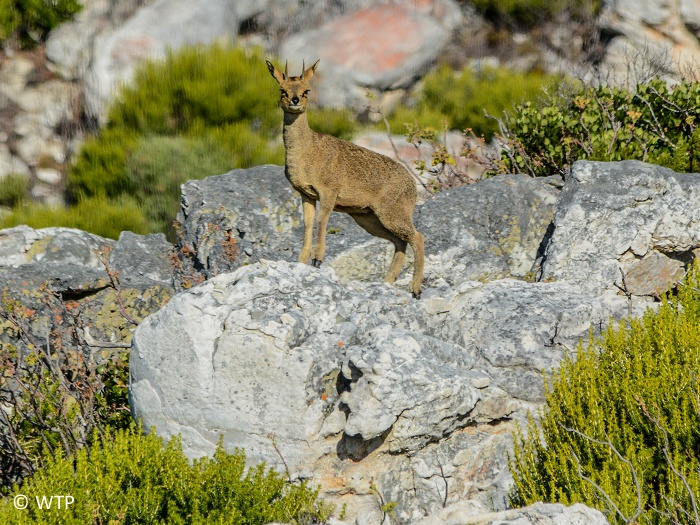
  • The klipspringer is a small species of South African antelope.
  • Boulders Beach is situated near Simon's Town in False Bay between Fish Hoek and Cape Point.
  • We love Cape Town sunsets!
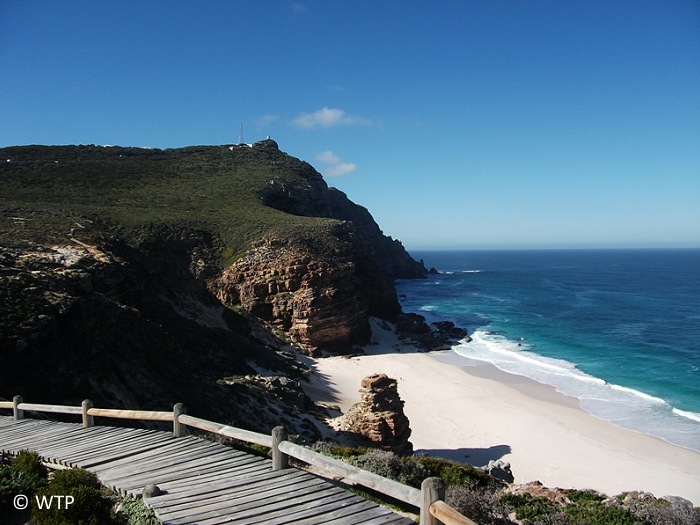
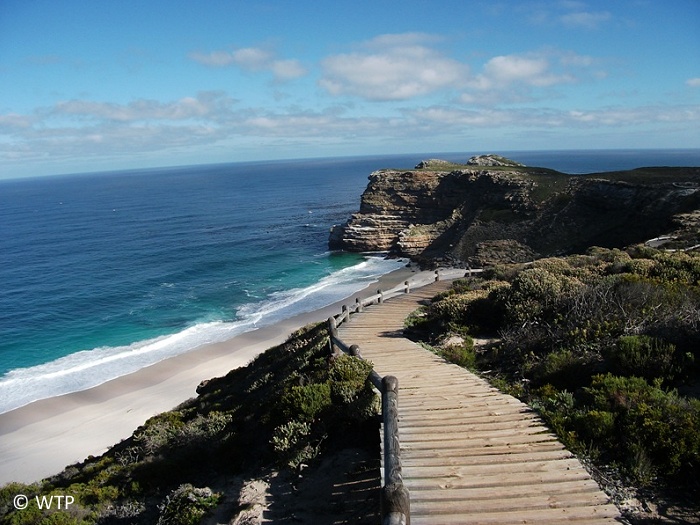
  • Walkway overlooking Diaz beach.
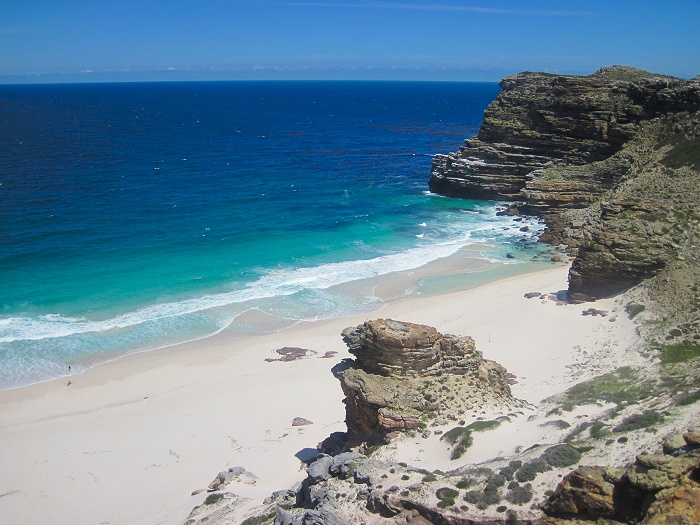
  • Looking over Diaz beach.
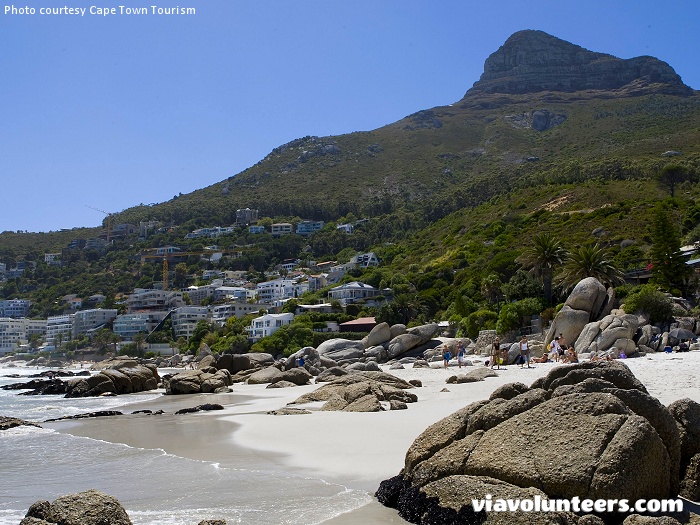
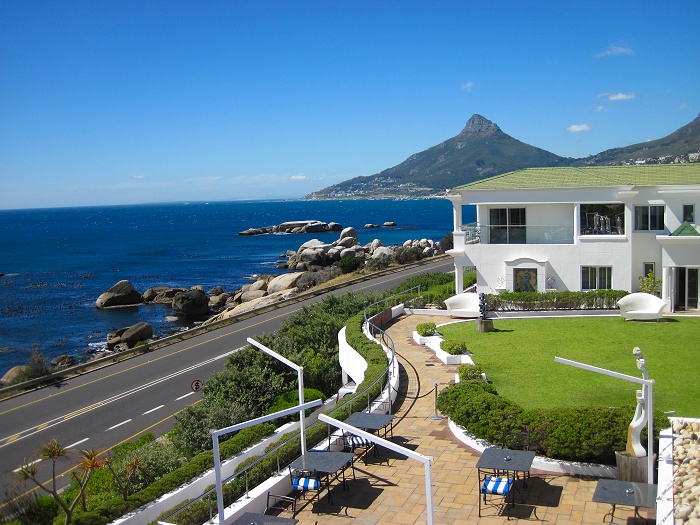
  • Lion's head from Clifton 4th Beach.
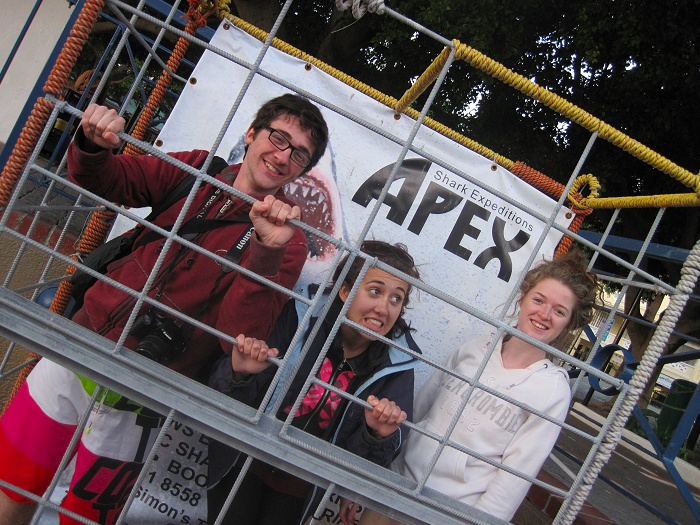
  • Apex Shark Expeditions in Simon's Town.
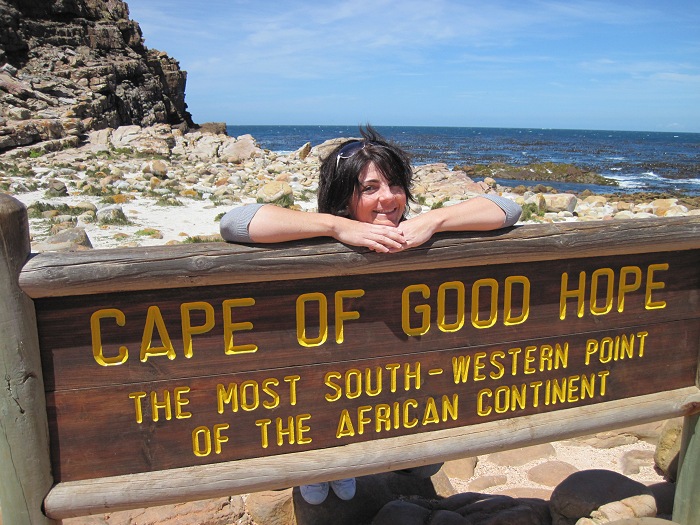
  • Cape Point is the most southwesterly tip of the African continent.
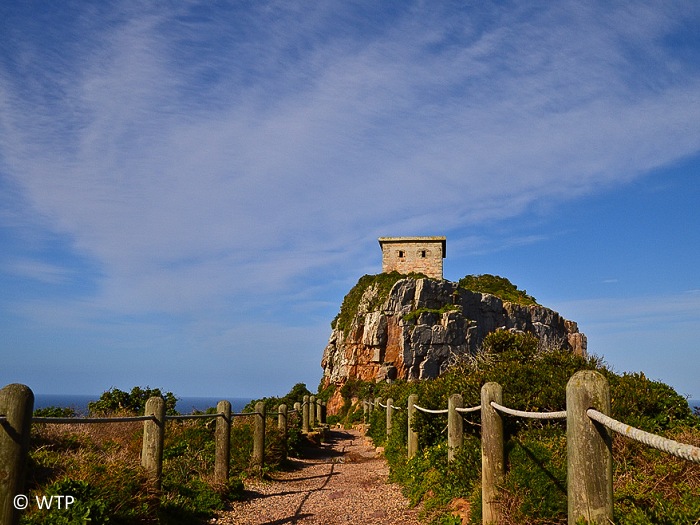
  • The lighthouse keepers path.
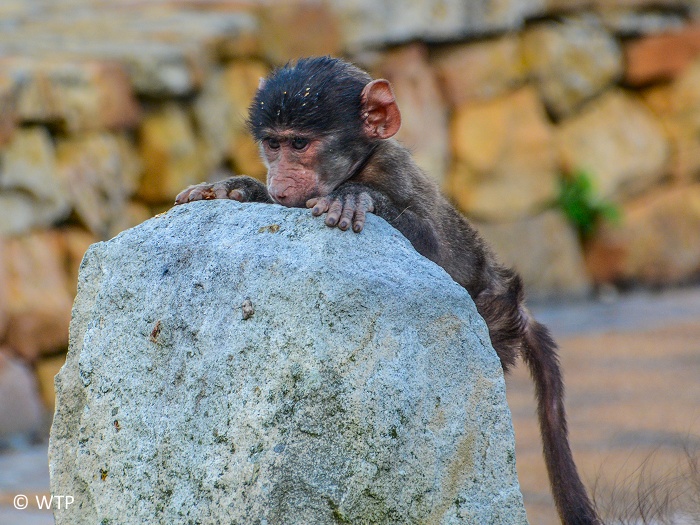
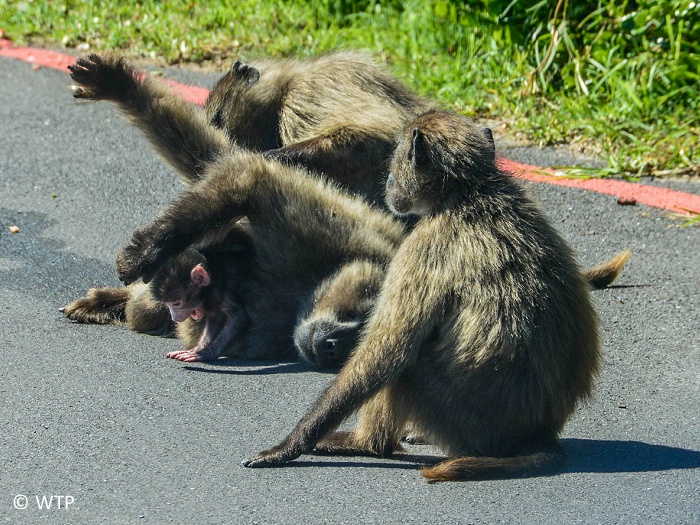
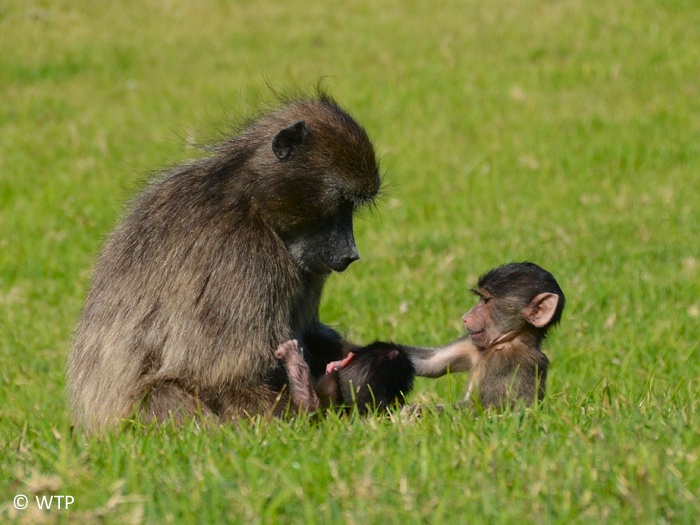
  • Cute baby baboon!
  • The common eland is the slowest antelope, with a peak speed of 40 kilometres (25 mi) per hour that tires them quickly.
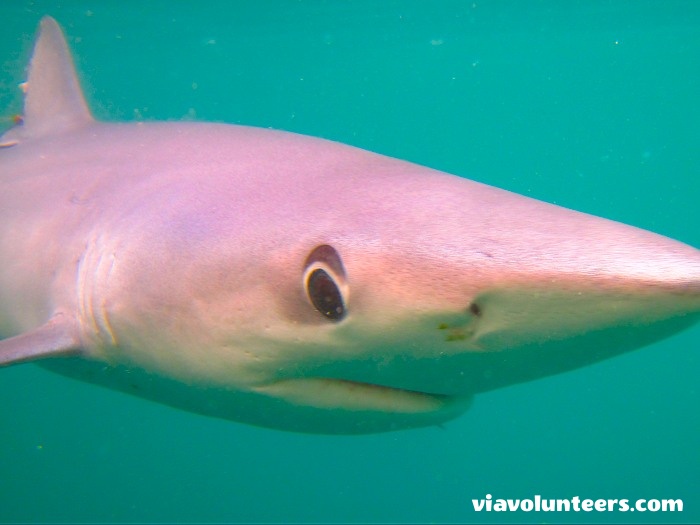
  • A blue shark in the clear waters of the Agulhas current off the coast of Cape Point.
  • Evidence of the point's many past shipwrecks lie scattered along the coast, from west to east, and can still be seen today from a number of shipwreck hiking trails. This wreck is situated at Olifantsbos.
  • Visit the penguins at Boulders beach in Simon's Town.
  • Buffelsfontein Visitors Centre
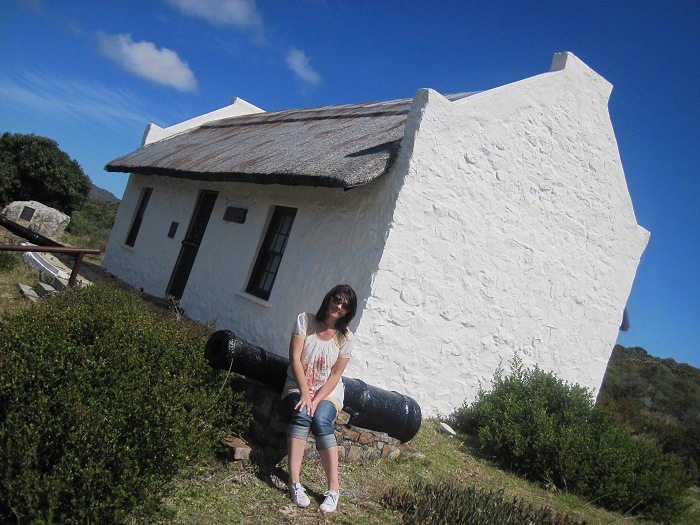
  • The canon on the Kanonkop Trail.
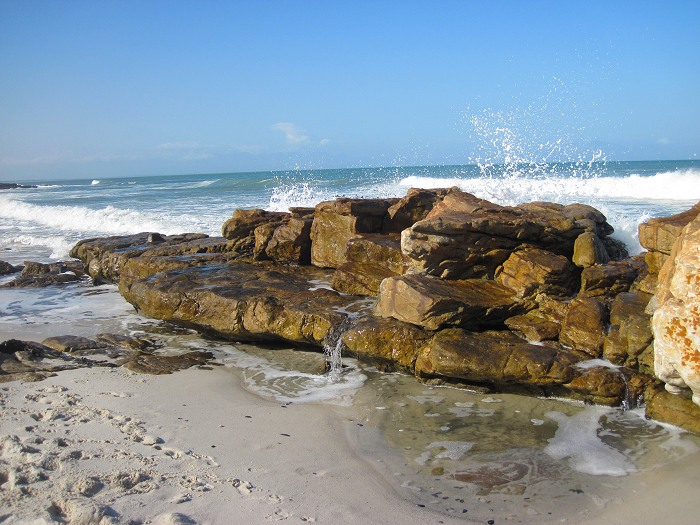
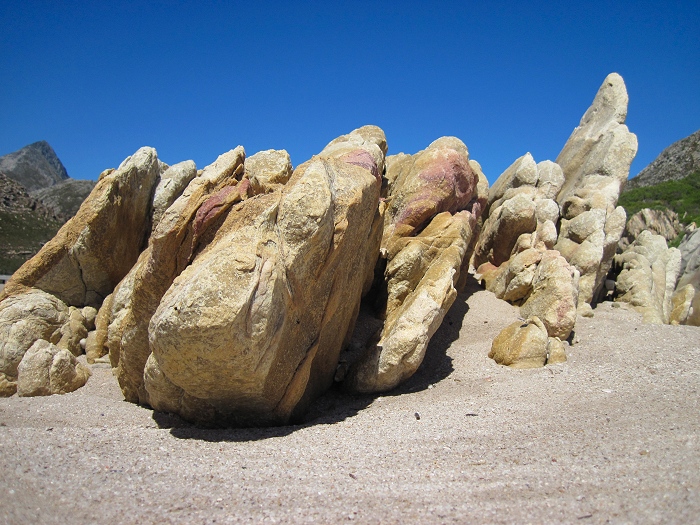
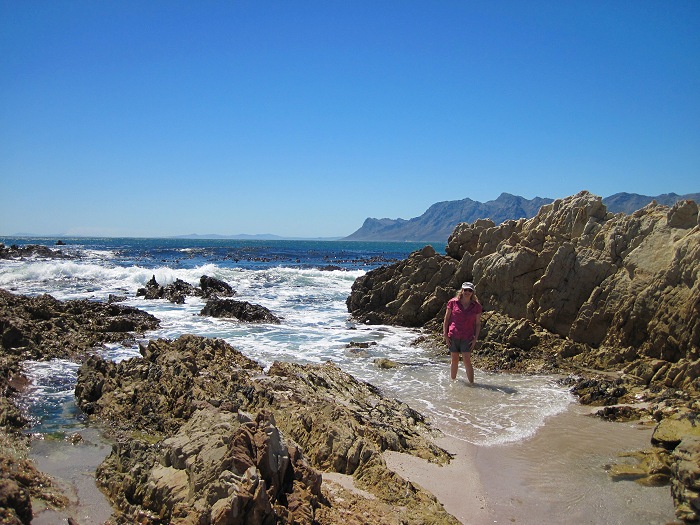
  • Beautiful rock formations at Rooi Els beach.
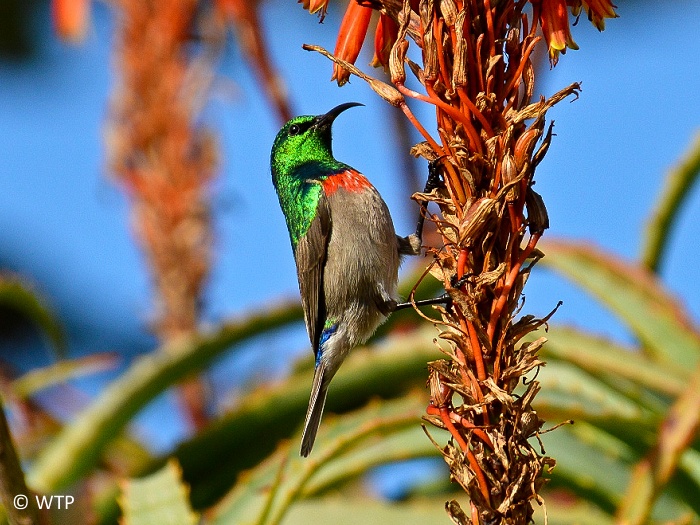
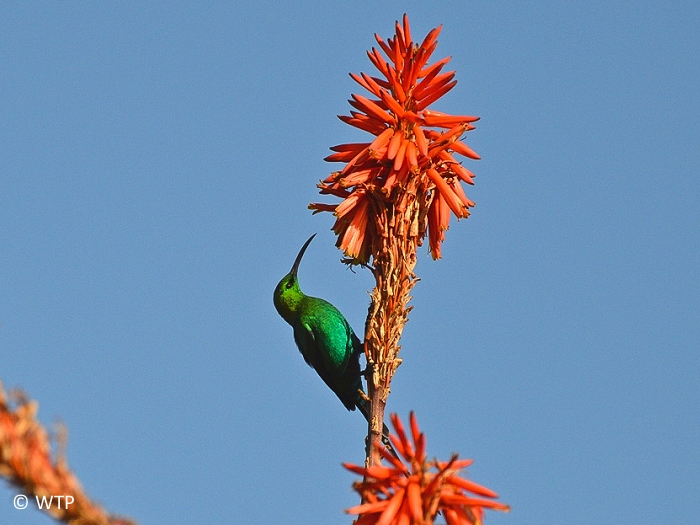
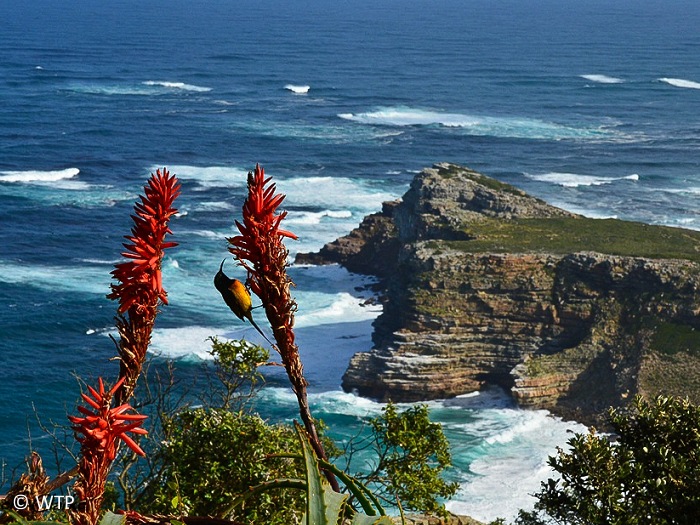
  • Most sunbirds feed largely on nectar, but also take insects and spiders, especially when feeding young.
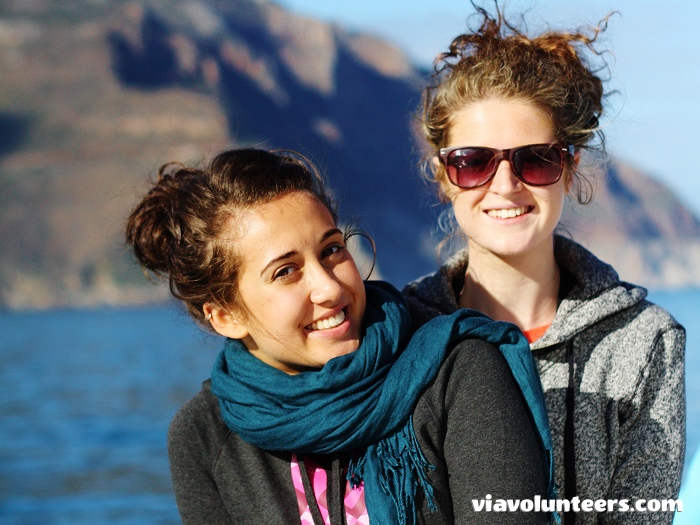
  • Two volunteers having fun on a boat trip to Hout Bay to watch the seals.
  • There are a number of hiking trails to be found in the nature reserve. The best way to get acquainted with the various routes is to stop over at the Buffelsfontein Visitor Centre, where you can speak to an informed staff member.
  • Boulders beach is a sheltered beach and is also a popular tourist stop because of a colony of African Penguins which settled there in 1982.
  • Beautiful sunset view looking over False Bay towards Simon's Town.
  • On 18 April 1911, the Portuguese liner Lusitania was wrecked just south of Cape Point at  on Bellows Rock, prompting the relocation of the lighthouse.There are 26 recorded shipwrecks around Cape Point.
  • Looking out at the beautiful view over Diaz Beach.
  • Enjoy a cappuccino while watching the seals at Kalk Bay harbour.
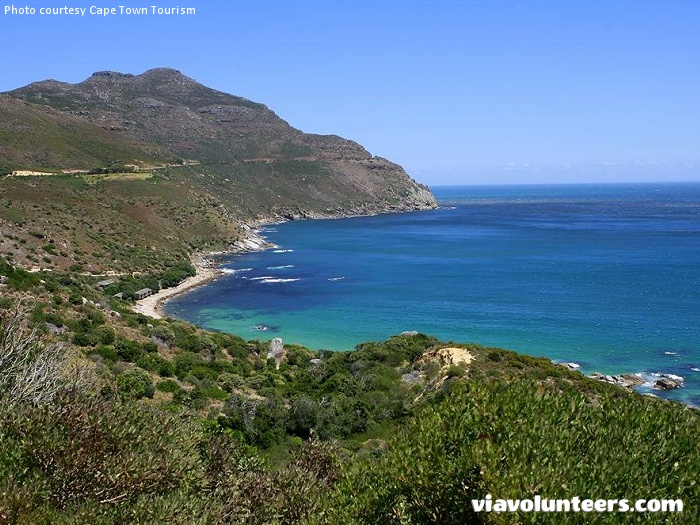
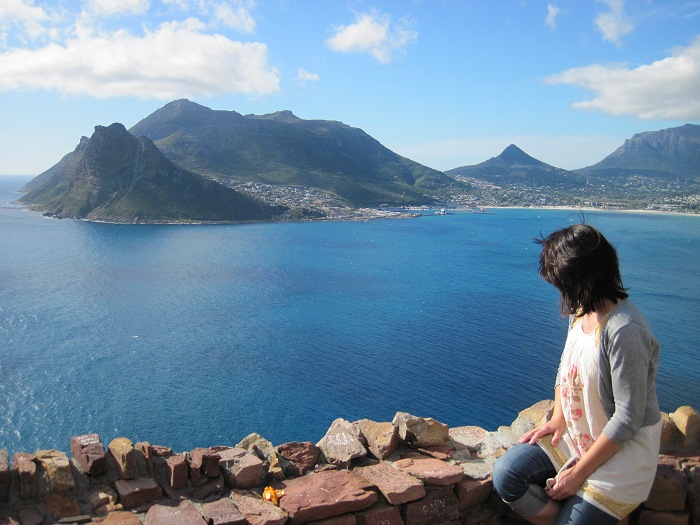
  • Chapman's Peak drive - stunning views!
  • A malachite sunbird feeding on an aloe.
  • Chapman's Peak Drive
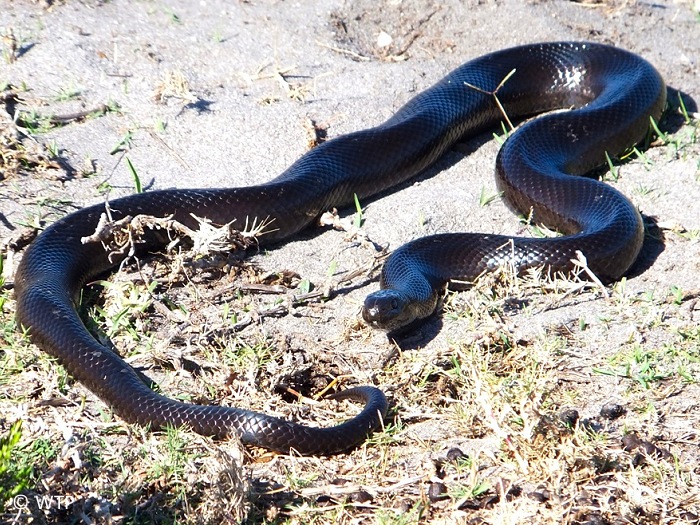
  • Mole snakes can grow up to lengths of 2m.
  • The protea is the most famous of the fynbos family.
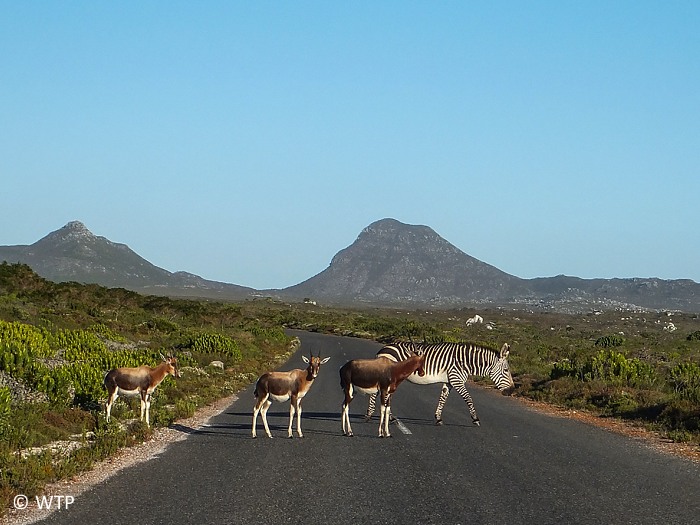
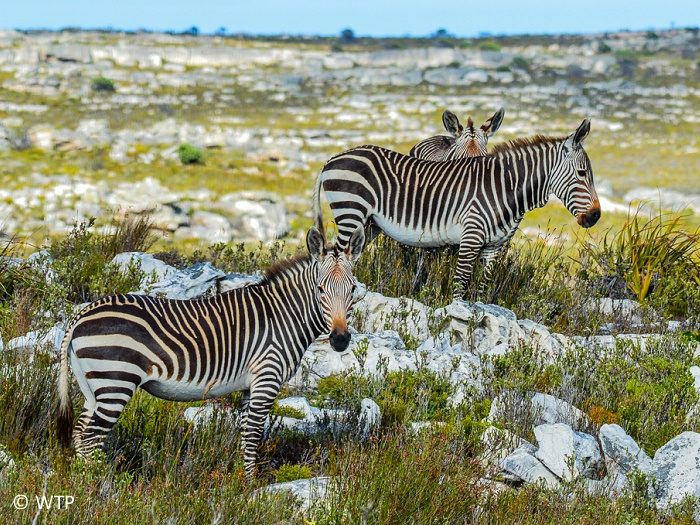
  • Bontebok and Cape Mountain zebra crossing the road.
  • A beautiful False Bay sunset!
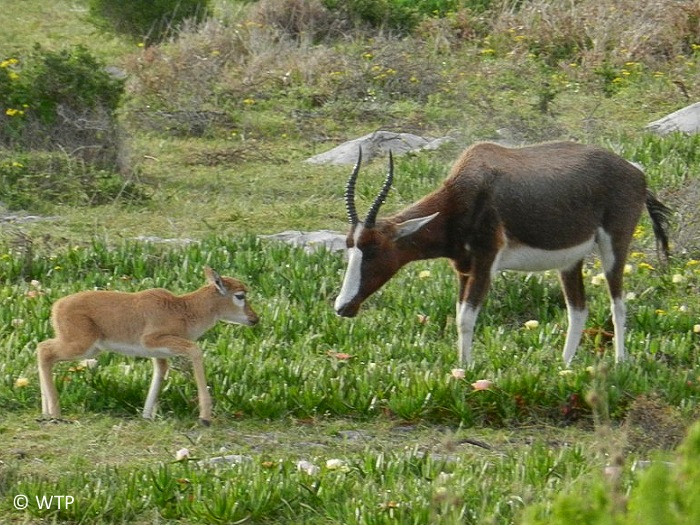
  • A bontebok and its calf. Bontebok are not good jumpers, but they are very good at crawling under things.
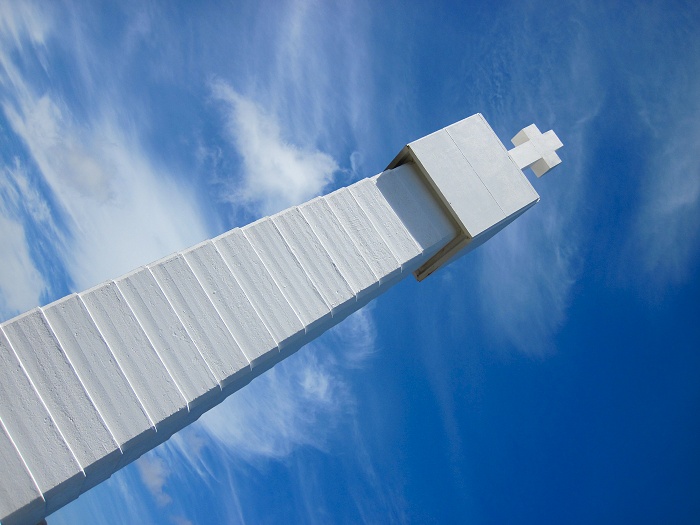
  • The Dias cross was erected to commemorate Bartolomeu Dias, one of the first explorers to reach the Cape.
  • These colourful beach huts in Muizenberg have become a landmark.
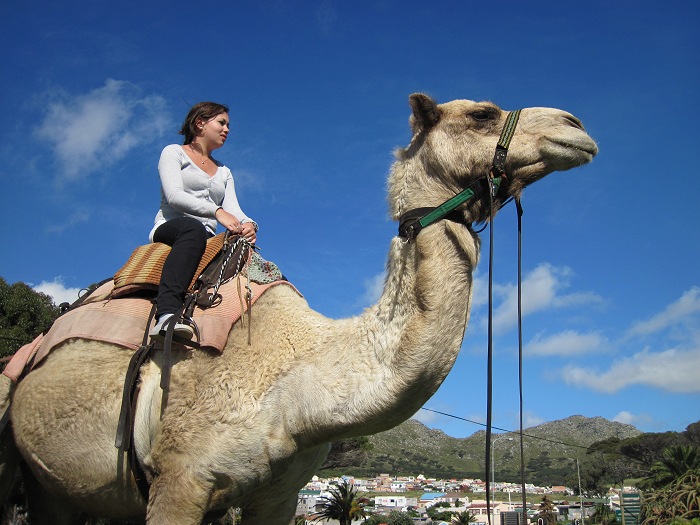
  • Imhoff Farm is the only destination around Cape Town where you have the opportunity to ride a camel.
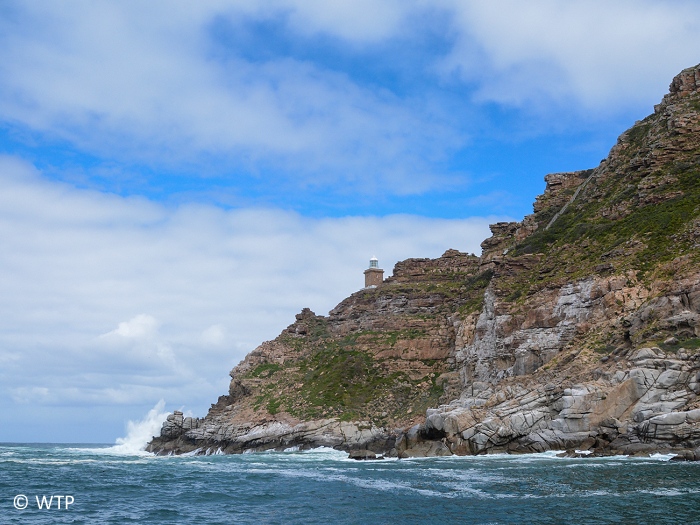
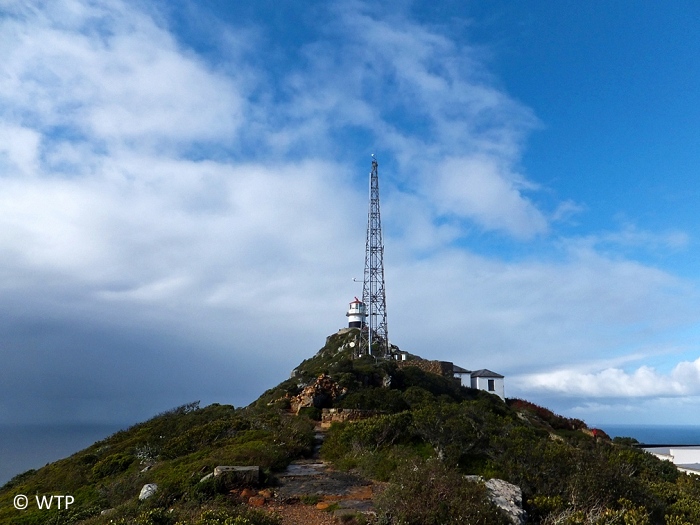
  • The second lighthouse was commissioned in 1919, and was built closer to the water than the first, so that ships could see the light even during the worst of storms.
  • Buffels Bay Beach at Cape Point.
  • Boulders Beach is a lovely sheltered beach made up of inlets between granite boulders, from which the name originated.
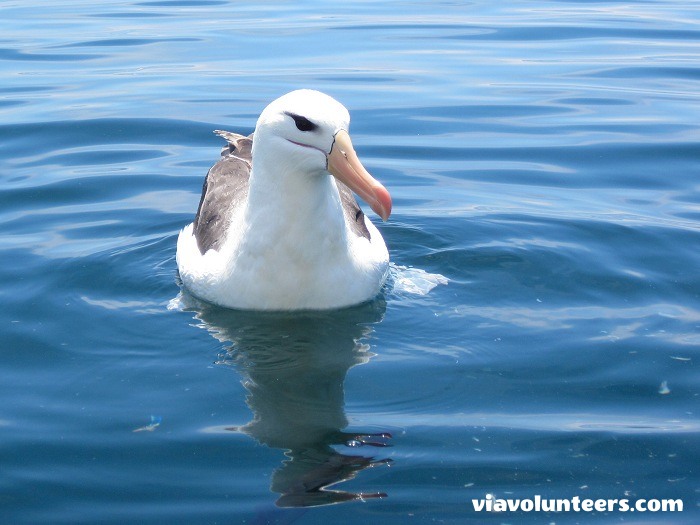
  • A brown browed albatross about 30km south of Cape Point.
  • Baboons inside the Cape of Good Hope Nature Reserve are a major tourist attraction.
  • Rooi Els is on the eastern shore of False Bay, next to the Kogelberg Biosphere Resesrve.
  • Colourful beach houses on St James beach.
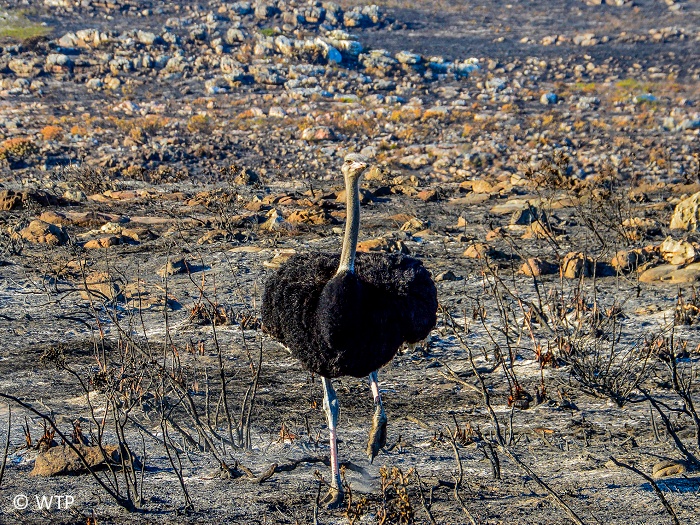
  • A male ostrich. Ostriches, contrary to popular belief, do not bury their heads in the sand!
  • Billed as the most south westerly tip of the African continent, the reserve's narrow finger of land and the edge-of-the-world views are certainly must-sees for those journeying to the Mother City on vacation.
  • Cape Point has two lighthouses. The first lighthouse is stationed at the top of the funicular and was commissioned on 1 May 1860. Unfortunately, built too high to be effective when mist rolled in, the beacon failed to save many ships.
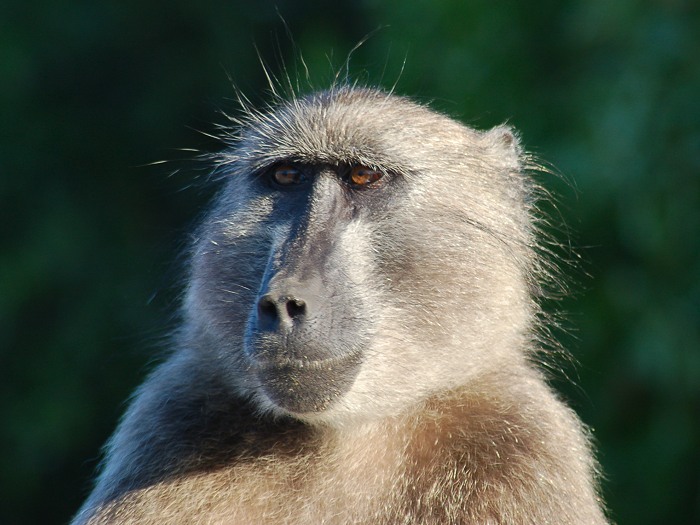
  • The chacma baboon has a wide variety of social behaviors, including a dominance hierarchy, collective foraging, adoption of young by females, and friendship pairings.
  • The chacma baboon, also known as the Cape baboon, is, like all other baboons, from the Old World monkey family. It is one of the largest of all monkeys.
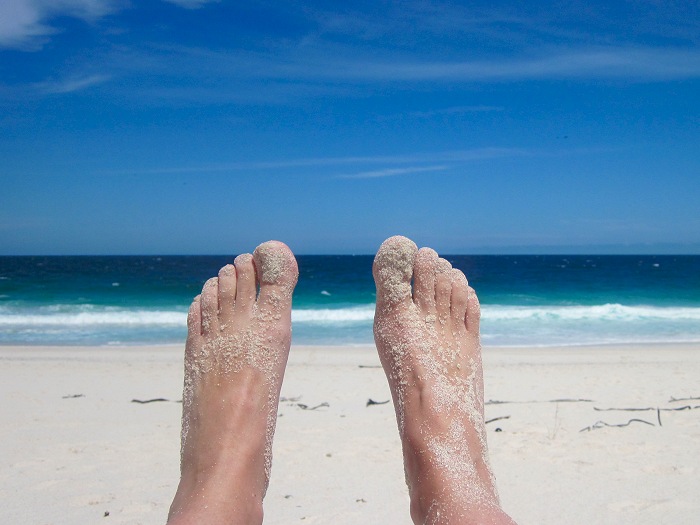
  • Enjoying Diaz Beach!
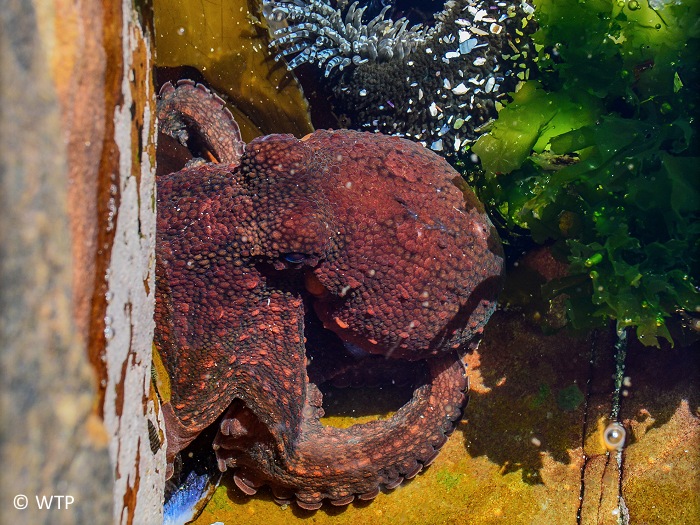
  • An octopus
  • The Cape Point Nature Reserve has been considered a nature reserve since 1938, and was incorporated into the Cape Peninsula National Park (part of the Table Mountain National Park) in 1998.
  • A chacma baboon feasting on some delicious muscles.
  • As part of the Cape Floral Kingdom Heritage site, the Cape Point Nature Reserve boasts more than 1 100 species of flora indigenous to the area (that is, such species don't grow in any other part of the world).
  • A beautiful sunset at Cape Point.
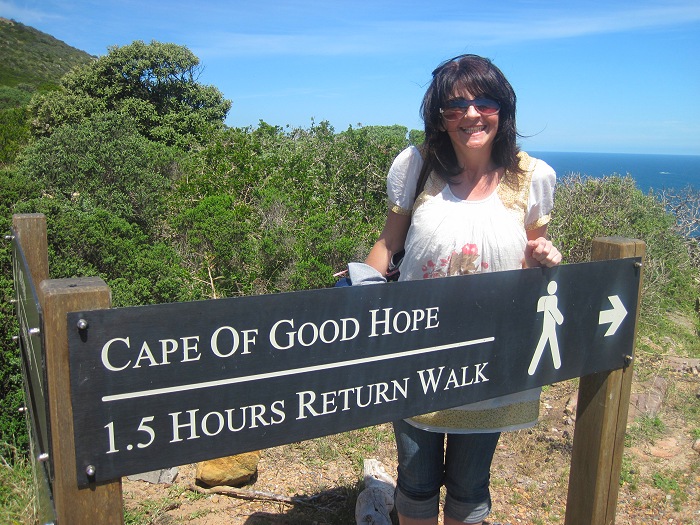
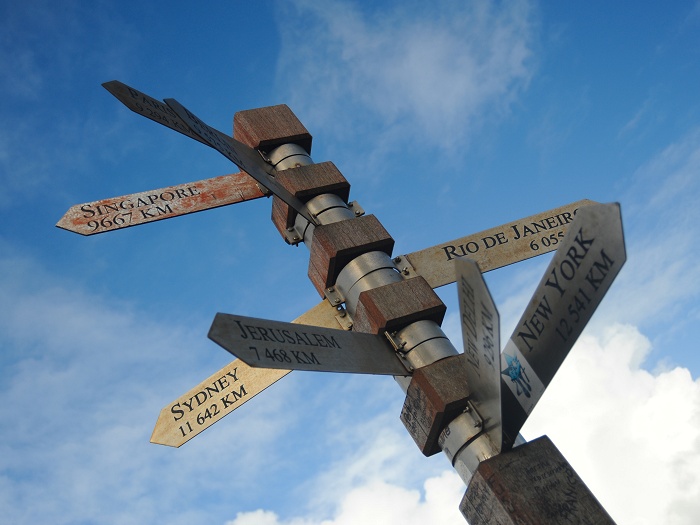
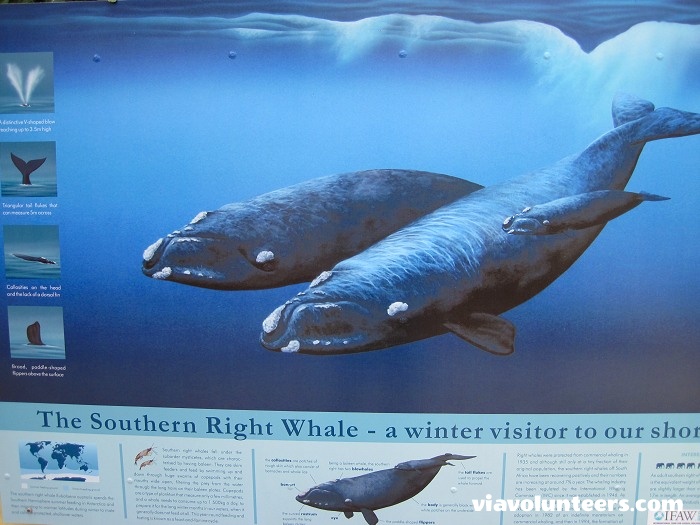
  • One of the many information boards that you will find all along the coast near Cape Town.
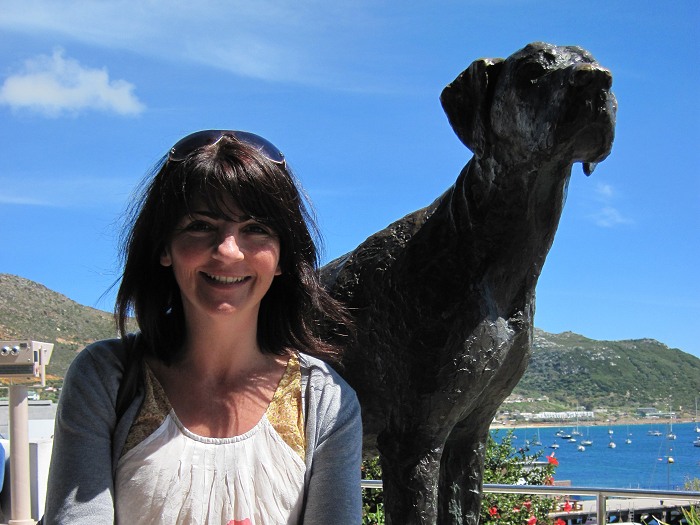
  • Just Nuisance was the only dog ever to be officially enlisted in the Royal Navy, Simon's Town.
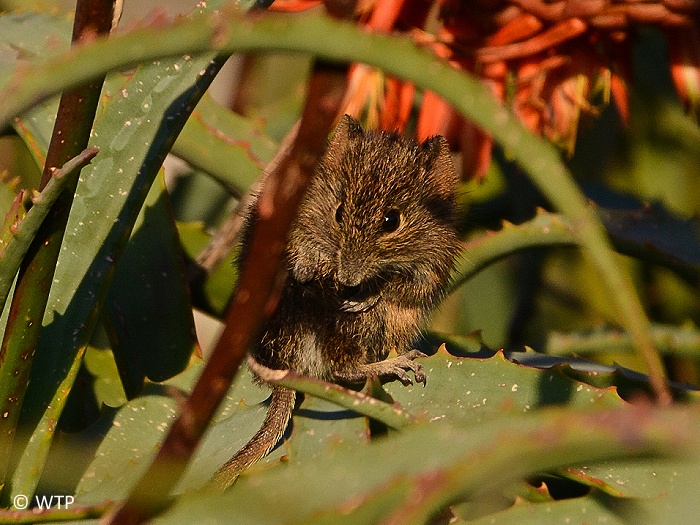
  • The striped field mouse is probably the most common mammal in Southern Africa.
  • Cape Point is a popular Cape Town tourist attraction that lures thousands of sightseers each year. It is also a world-class place to while away a day hiking, biking, swimming, bird-watching and braaing.
  • The Twelve Apostles Hotel and Spa, Camps Bay.
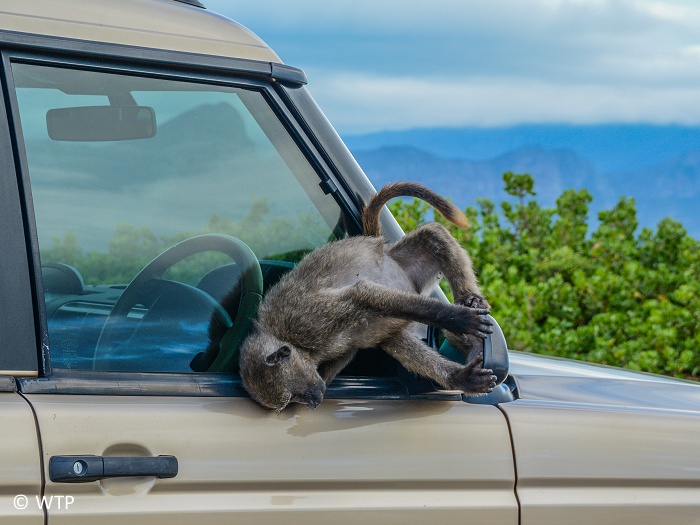
  • Do not feed the baboons; this offence is punishable with a fine. Also, do not leave your car doors unlocked or windows open as the baboons are very intelligent and highly opportunistic.
  • Chapman's Peak Drive winds it way between Noordhoek and Hout Bay on the Atlantic Coast on the south-western tip of South Africa and is one of the most spectacular marine drives in the world.
  • An orange breasted sunbird. Bring your binoculars to spot some of the 250 different species of bird life, from the large ostrich to the tiny Cape sugarbird.
  • A beautiful afternoon on beach in Gordon's Bay.
  • A caterpillar
  • Overlooking Hout Bay from Chapman's Peak Drive.
  • A mother chacma baboon with her two babies.
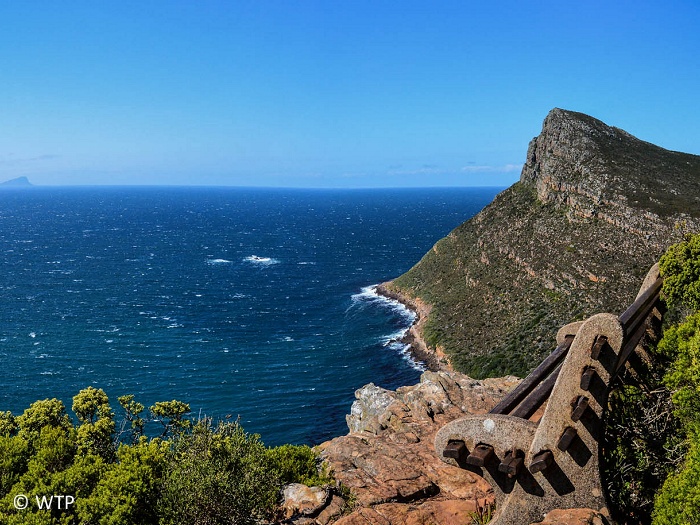
  • Looking out over the beautiful Smitswinkel Bay.
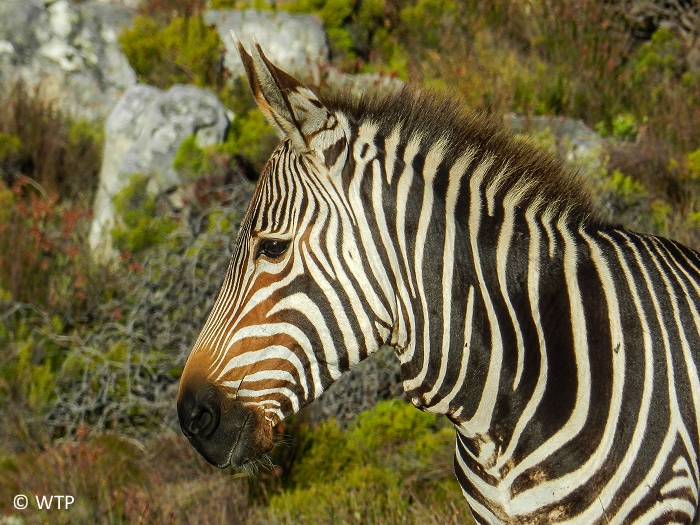
  • Zebra's  stripes come in different patterns, unique to each individual.
  • A cheeky chacma baboon  checking out his reflection in the wing mirror of a car!
  • Eland are mainly herbivores, their diet consisting primarily of grasses and leaves.
  • Zebras have excellent eyesight. It is believed that they can see in colour.
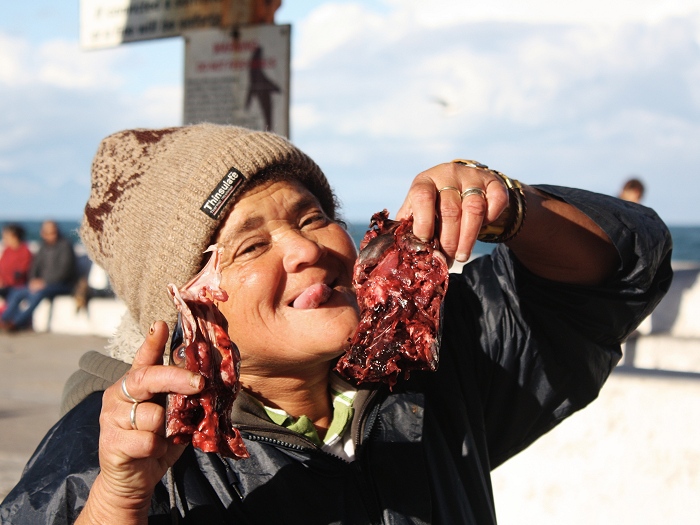
  • Yummy fish guts at Kalk Bay harbour!
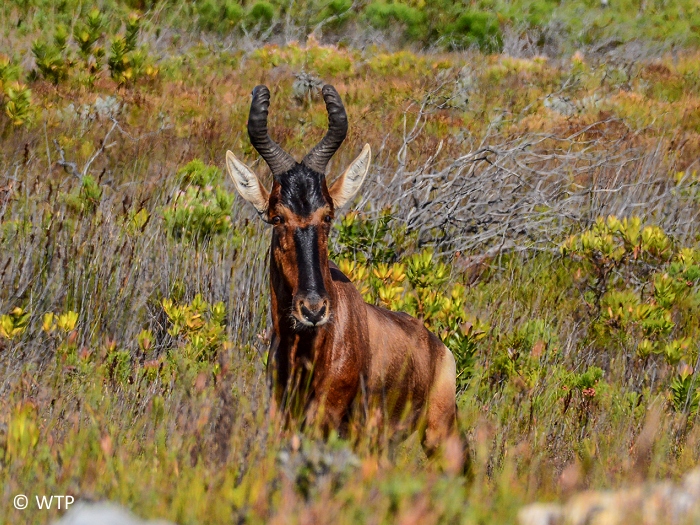
  • The red hartbeest is the most colorful hartbeest, with black markings contrasting against its white abdomen and behind.
  • The Sentinal near Hout Bay.
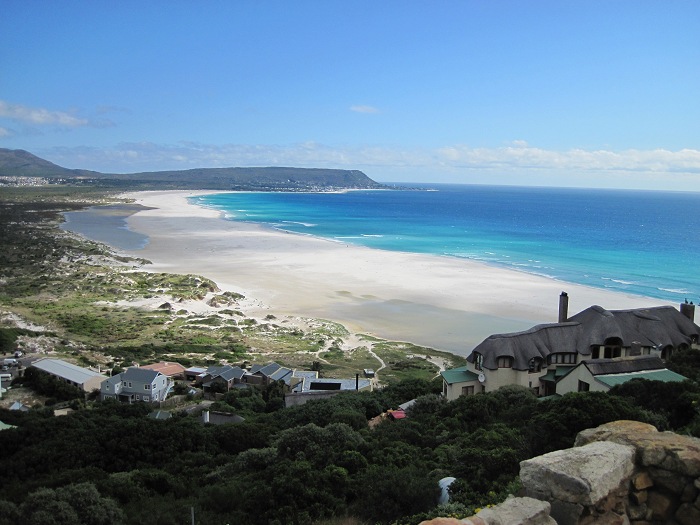
  • Looking out over the beautiful Noordhoek beach.
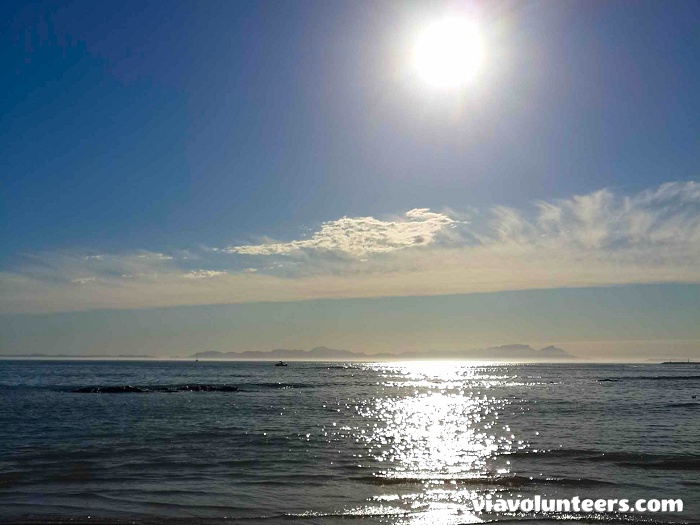
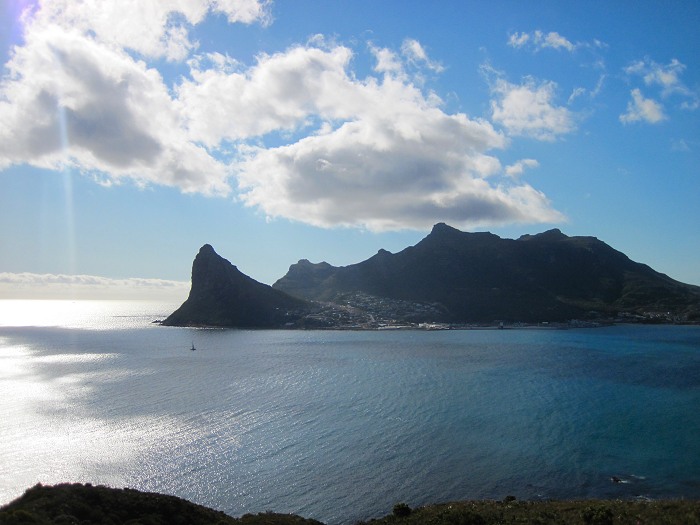
  • Magnificent glistening sun on the False Bay sea water.
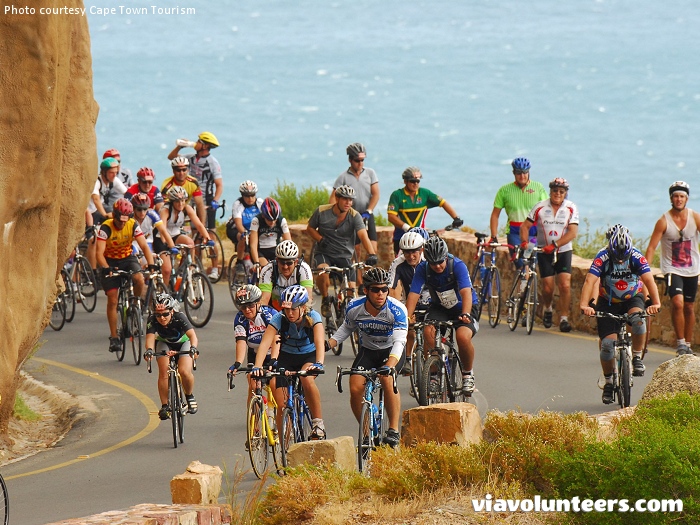
  • The Cape Argus Pick n Pay Momentum Cycle Tour was established in 1978 and is currently the world's largest timed cycling event. On Chapman's Peak drive...
View more photo albums